
Build room Designed view
Source changes Live
portal.tsx
access.ts
styles.css
checks.ts
18
19
20
21
22
23
+ Change applied to the working tree
Build
Describe a change, watch it land, read what it did.
How it works
From understanding to proof, every stage remains visible. The system does not skip the work between an idea and software you can trust.
Before anything is written, your project is read — what it already does, what was decided before, and what you asked for last time. A request never starts from nothing.

The work becomes small ordered steps in plain words. On a big change you approve the plan first; on a small one it just gets on with it, and you can still see every step.
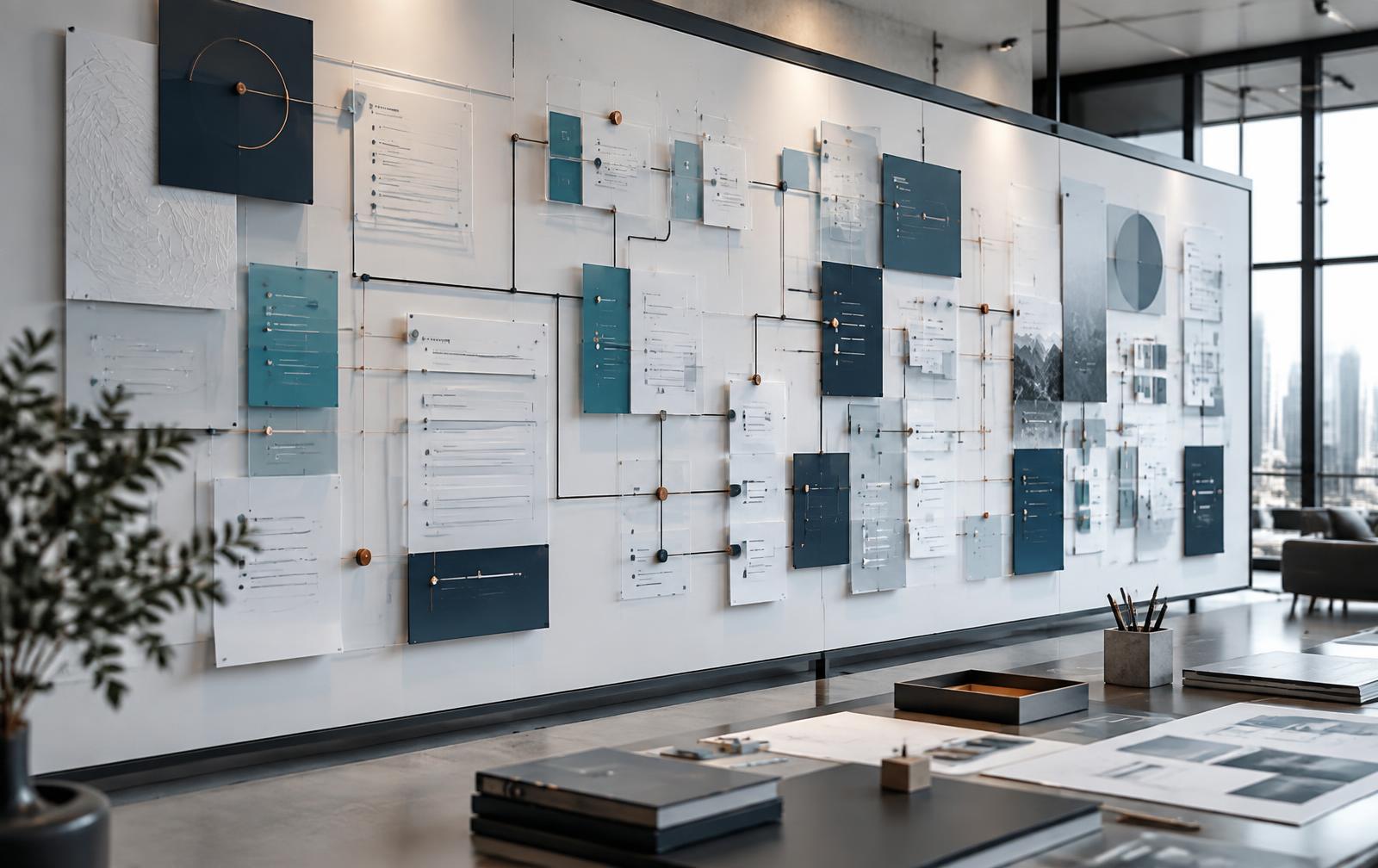
Each step names the files it touched and why. Nothing happens off screen: you can follow along, interrupt, change your mind, or let it run for hours.

Types, tests and a production build — on the finished tree, not a sample. Work that fails its checks is not delivered; it is repaired, and you see both halves.

A real browser opens every changed page, fills the forms, presses the buttons and confirms the result — at phone size as well as desktop.
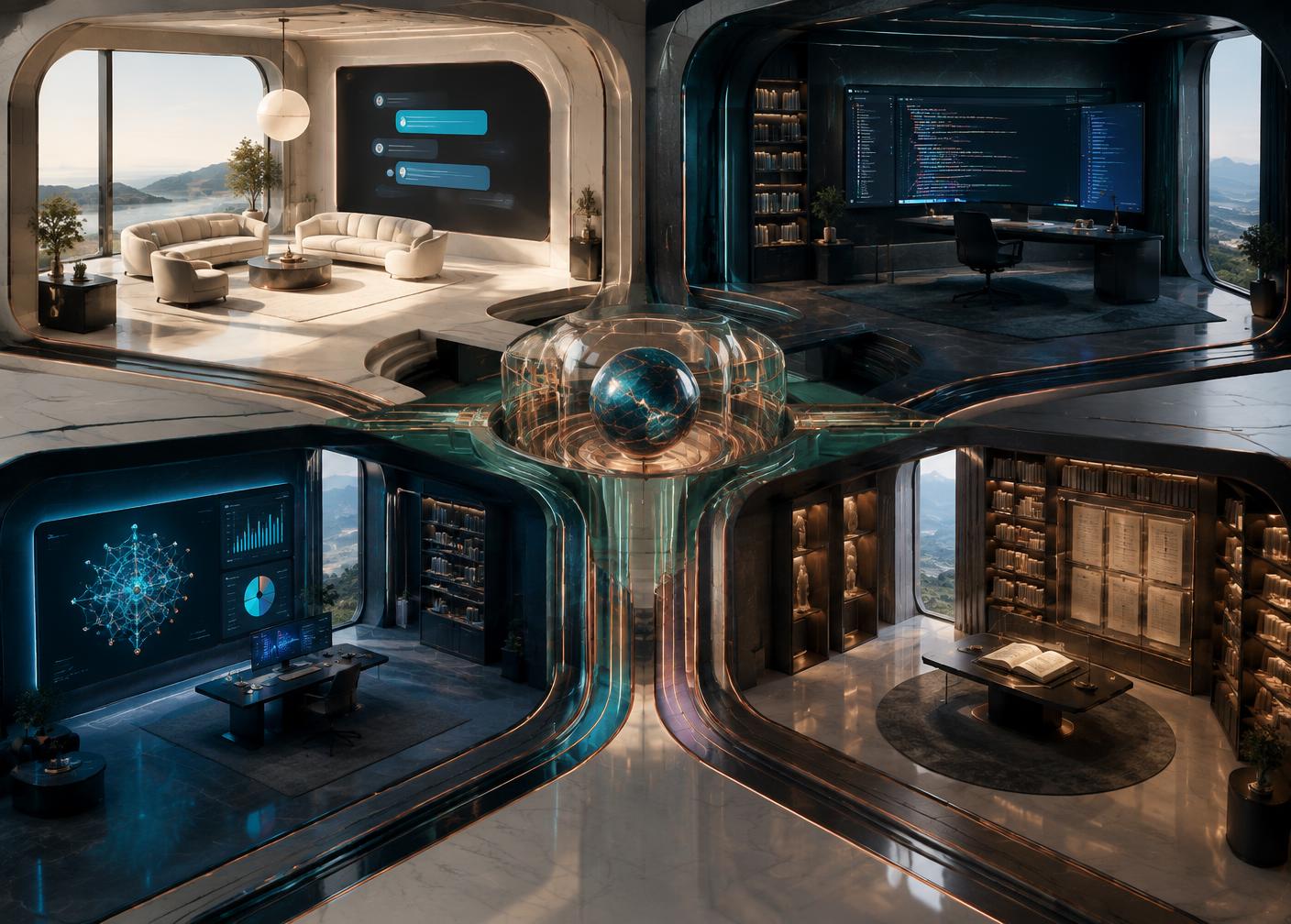
Before anything is called finished, the change is reviewed against the request: missing labels, dead buttons, forgotten edge cases, things the first pass talked itself into.

What changed, what was verified, what is still unproven — in that order, every time, including the parts that did not work.

Files changed
Focused checks
Browser evidence
Remaining gap
Each is a different way of asking for the same thing, and they all edit the same app.
Describe a change, watch it land, read what it did.

Drag, type on the page, rehearse a flow — the look, edited directly.
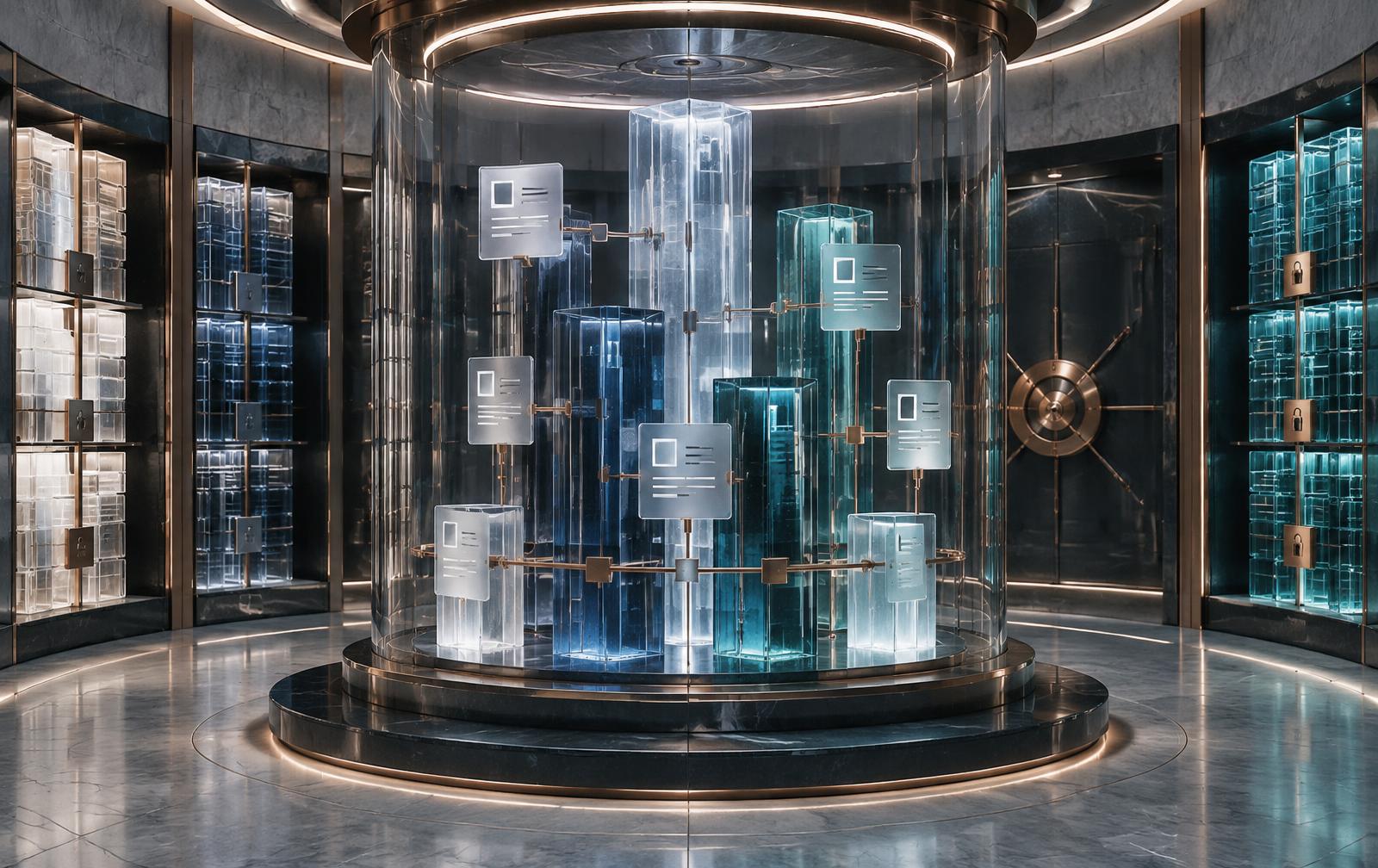
Say what the app should remember; the shape is designed and applied for you.

Files changed
Focused checks
Browser evidence
Remaining gap
Every check, every walk-through, every piece of evidence in one place.
Every stage leaves a readable record. Checks and gaps remain attached to the work that produced them.