
Use cases

Six sentences. Six working things.

Practical requests, expressed in ordinary language, move through one secure system and return as finished, verified products.

“Build us a tool where the ops team can see every order and refund one.”

Internal tools that would never get scheduled

A working tool with sign-in, roles and a real database — the kind of thing that sits in a backlog for a year because it is never the most important thing.

“Our customers need somewhere to log in and see their documents.”

Customer portals with their own accounts

Sign-in, permissions, uploads and a record of who saw what — built on your own database, not a shared one.

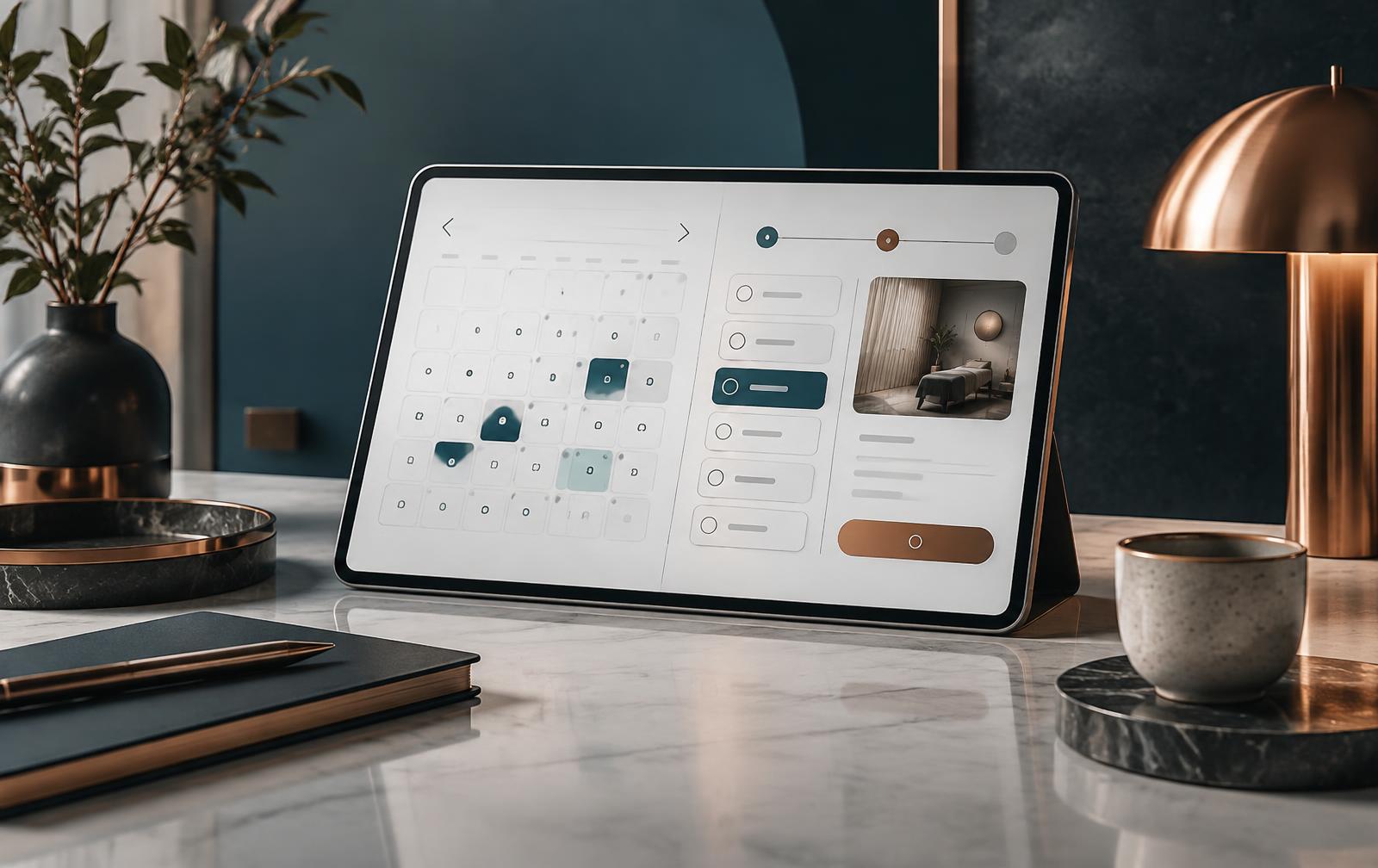
“People should be able to book a slot and get an email.”

Booking and scheduling that actually sends the email

Availability, a booking flow that is walked end to end before delivery, and the confirmation proved to arrive.

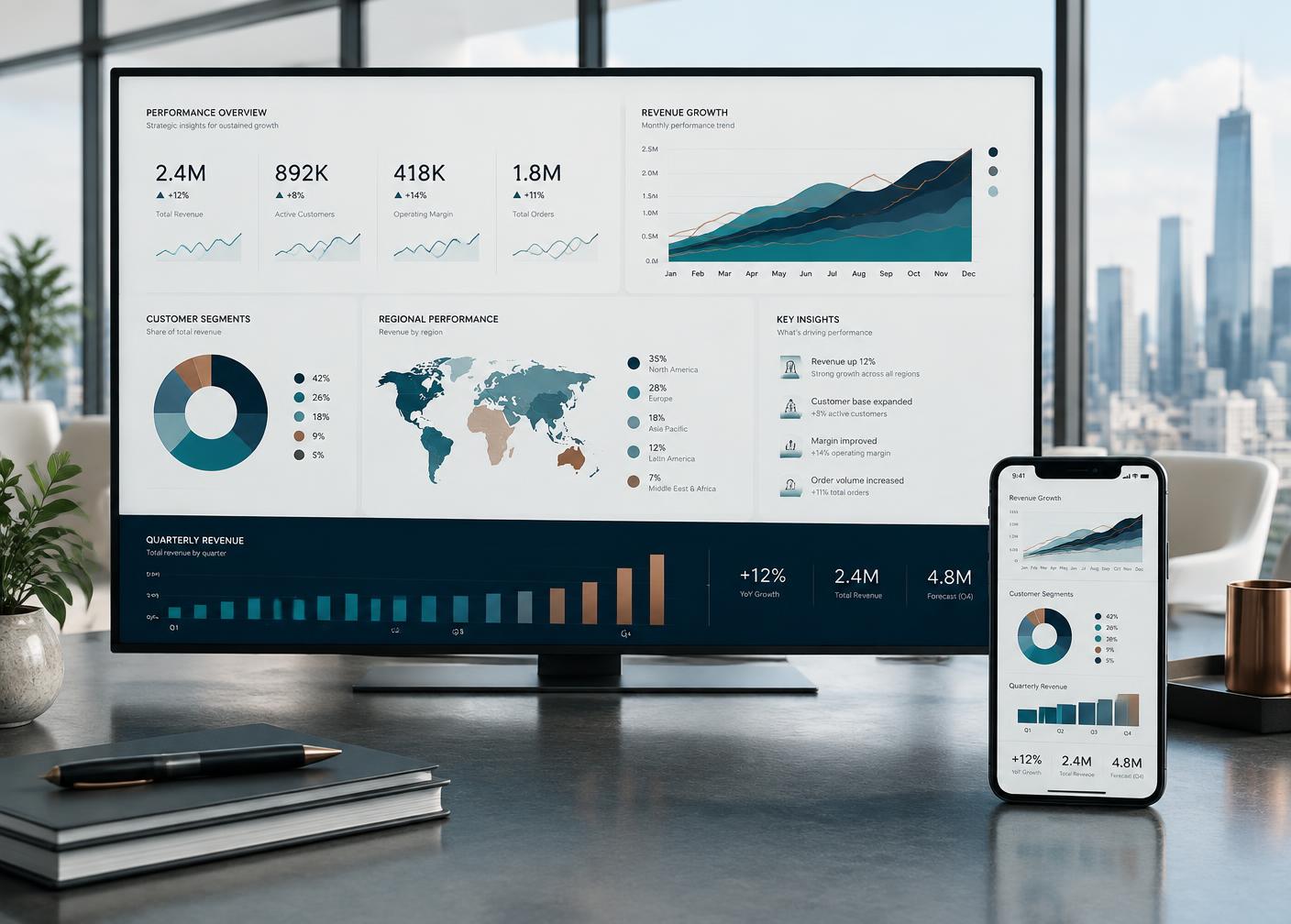
“Show me this spreadsheet as something my board can read.”

Dashboards from the data you already have

Your numbers, shaped into something that loads fast and reads clearly on a phone as well as a laptop.

“We need a page for this launch by Thursday.”

Pages that look made, not generated

A page with its own pictures and motion, published to your own domain, with a staging address to show people first.

“The form breaks on iPhone and nobody knows why.”

The small things nobody gets to

Found, fixed and proved on a phone-sized screen — with the walk-through to show it.

Six distinct digital products connected by one dependable workflow
Many independent requests, connected without becoming entangled.
One operating system

Different outcomes. The same standard of proof.

Each request can look completely different. The planning, checks, review and evidence remain consistent.

What is the one you would ask for?

Ask for it free